
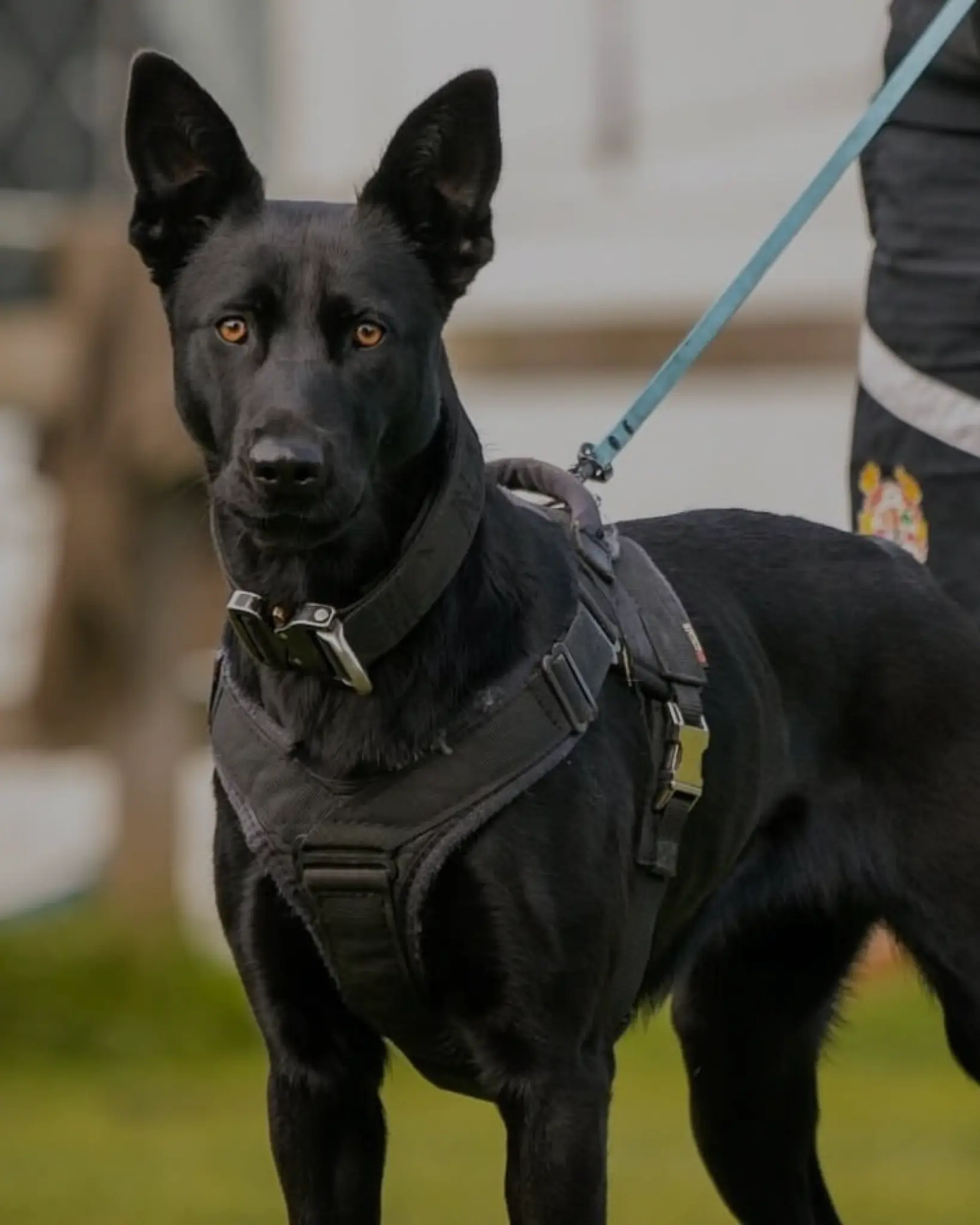
Your Working Cocker Spaniel comes when called in the kitchen, but outside a scent trail seems more interesting than anything you can offer. Calling louder often changes very little.
Working Cocker Spaniel recall training needs practice around the things your dog actually wants to investigate. Start with a version of that challenge your dog can manage, rather than asking for a return once they are completely absorbed.
Protect the recall you are building
Use a secure enclosed area or an appropriately handled long line attached to a well-fitted harness where suitable. Keep away from roads, livestock and wildlife, and follow the rules of the place you are using. A long line needs careful handling to avoid tangles and sudden stops.
Avoid repeatedly calling when you already expect no response. Move to an easier setup and reduce the distance. For practical handling foundations, read how to use a long line for recall.
Start before the scent takes over
In a quiet area, begin close enough that success is realistic. Give your recall cue once and reward your dog when they return to you. Practise a complete return rather than a brief fly-by, followed by a clear release cue when they may explore again.
Reward voluntary check-ins too. A glance back or a decision to come near you is useful information: your dog is still able to include you in the walk. You can build on that without turning every check-in into a formal command.
Sometimes let returning lead back to exploring
Where the area is safe and exploration is permitted, reward a successful return and then release your dog to sniff again. This can help make coming back part of the walk rather than a signal that all interesting activity has ended.
Keep exploration within clear limits. Choose a safe patch of grass or a manageable scent area, and use your release cue to make permission clear. Do not allow access to wildlife or unsafe ground. If exploration leads to loss of contact, reduce the freedom and rebuild the exercise.
Add difficulty in small steps
Change one part of the task at a time. Practise a slightly longer distance in the same quiet place before adding a more interesting environment. Avoid moving straight from the garden to the busiest woodland route.
A whistle can become a useful cue, but it still needs to be taught and practised. It does not automatically override scent or replace sensible management. Never punish your dog for returning, even if the return took longer than you wanted.
If recall has suddenly deteriorated in a young dog, the adolescent recall guide provides another useful starting point.