
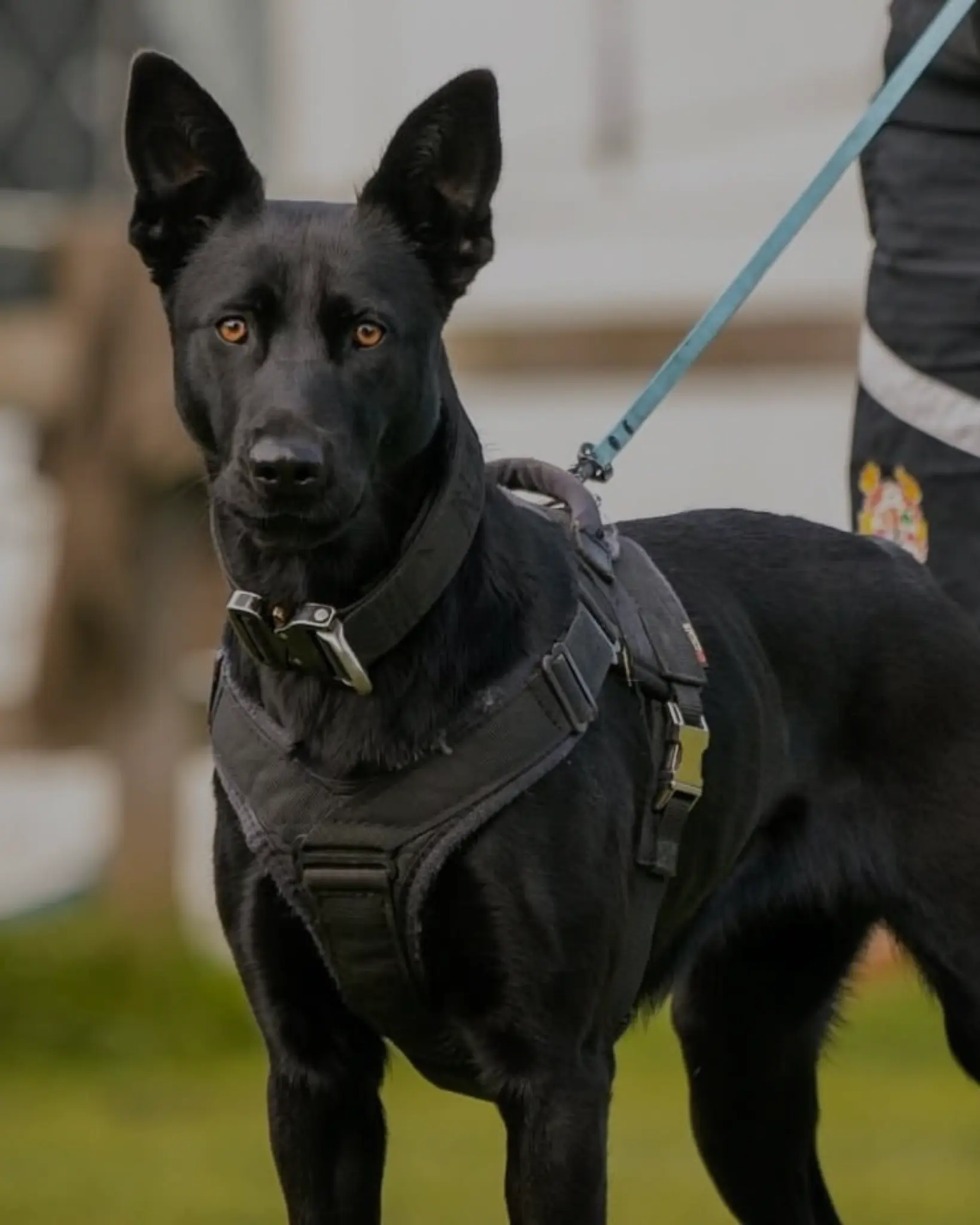
Your spaniel reaches the end of the lead before you have shut the front door. Along the pavement, you keep stopping, they glance back, and the same pulling starts again as soon as you move.
Loose-lead walking needs to be taught in manageable steps. You also need to look at what your dog is trying to reach. For a working Cocker Spaniel, investigating scent can be a large part of the walk, so a plan that offers no opportunity to sniff is difficult to maintain.
Why a working Cocker may pull so much
Cocker Spaniels have a gundog background, and there are working and show varieties. PDSA’s breed guide describes their exercise, play and training needs. That background is useful context, but it does not explain every individual dog’s pulling.
Repeatedly reaching a smell on a tight lead can make pulling worthwhile. Excitement, frustration or worry may also be involved. A dog dragging towards a hedge and a dog trying to get away from traffic need different help. Notice where the tension starts and what changes when you give the dog more distance from the situation.
Make the first practice easier
Begin somewhere quiet and secure, with comfortable, well-fitting equipment. Check that you can hold the lead safely and that the dog can move without rubbing or restriction. Equipment needs to be suitable for the individual; buying another lead does not teach the walking skill.
Use a reward your dog will take in that setting. If they are scanning, pulling hard and unable to engage with you, move somewhere easier. Do not spend the whole outing repeatedly asking for attention beside a busy trigger.
Teach a few loose-lead steps
- Reward a useful starting position. Stand with your dog beside you and reward them there. Keep enough slack in the lead for them to stand comfortably.
- Take a small number of steps. Reward while the lead is still loose. Deliver the reward near your side rather than reaching out in front of a dog already pulling away.
- Pause when the lead tightens. In a safe, low-pressure setting, stop moving forward. Give your dog a chance to turn towards you and create slack, then continue. Avoid jerking the lead or dragging them back.
- Build gradually. Add a little distance or a slightly busier setting once the easier version is going well. If every step creates tension again, reduce the difficulty.
This follows the progression in Dogs Trust’s loose-lead walking guidance. Expect to use frequent rewards when the skill is new. Practising a short, manageable stretch is more useful than making an entire walk a prolonged argument.
Use sniffing opportunities deliberately
Loose-lead walking can include sniffing. At a safe patch of ground, wait for a little slack, give a consistent permission cue such as “go sniff”, and move with your dog so they can explore without dragging you.
That gives you something practical to reward: a loose lead can lead to the smell they wanted. Choose a patch away from roads, hazards and other dogs. Do not allow a sudden lunge to pull you into a verge.
You can ask for closer walking in narrow or busy places and allow more exploring where there is room. Both arrangements still need safe lead handling; neither requires your dog to stare at your face throughout the walk.
When stopping and starting is not enough
If your Cocker is barking, lunging or panicking, creating space and understanding the cause takes priority. Waiting beside something frightening until the lead loosens can leave the dog struggling. Read the notes on lunging at other dogs and arrange individual support.
A sudden change in walking, reluctance to move, coughing or signs of discomfort also merit a veterinary check. Avoid treating a possible health problem as a training failure.
Keep the rest of the day in view
Lead practice is one part of life with a working spaniel. Suitable exercise, opportunities to search, company and rest still matter. A daily routine for a high-energy dog can help you make room for those needs without trying to solve everything on the pavement.
If you want help putting this into practice, see the private training and owner coaching programmes. Suitability is assessed before a programme is agreed.
Owner coaching · Individual assessment
Get help with the walks you are actually doing
Tell me where pulling starts and what you have tried. I work with working-breed owners across Wirral, Cheshire and Merseyside.