
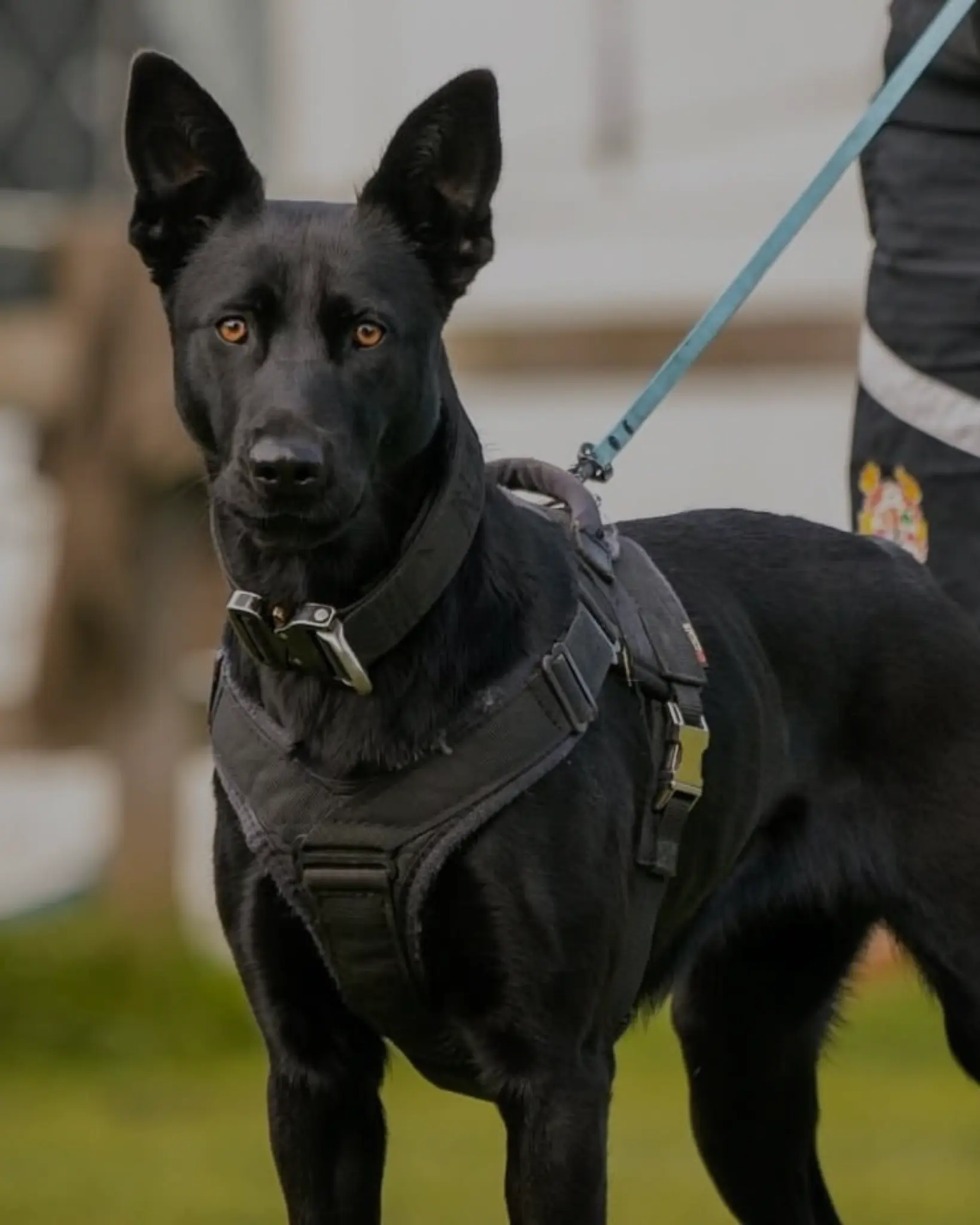
Some owners change their walks to 6am because they are less likely to meet other dogs. That can make a route easier to manage. The useful detail is what happens when another dog does appear: does your dog start pulling well before it gets close, stop and stare, bark, lunge, or do something else?
“Reactive” is a broad description, not an explanation of why a dog behaves a certain way. Dogs can react to other dogs, people or movement, and the pattern can vary with distance, location and what has happened earlier in the walk. A clear account gives your trainer something practical to work with.
Track the moment before your dog reacts
Write down what you can observe while the details are fresh. You do not need a perfect report. A few specific notes are more useful than trying to label the whole dog.
- Where were you, and what time was it?
- What did your dog notice first: another dog, a person, a bike or movement?
- What did you see before the bark or lunge: pulling, stopping, staring or a change in pace?
- How close was the trigger, and what happened as it moved away?
- How long did it take your dog to return to the walk you were having before?
Notice what changes between walks
A narrow path and an open space can be very different places to meet another dog. So can a familiar route and a busy new one. Record the setting, the distance you remember and what your dog did. If the response also happens around people, bikes or fast movement, make a separate note rather than putting every event under “dogs”.
The aim is to describe the pattern, not decide its cause on your own. If your dog pulls before any other dog is visible, that is worth recording too. If the dog only reacts in certain places or at particular distances, include that detail.
Keep the notes safe and straightforward
Do not move closer to another dog just to test what will happen or get a better video. Keep the safety arrangements you already use. If you have a short clip that was recorded from a safe position, you can show it to your trainer; there is no need to recreate the moment.
If you have tried classes, online advice or another trainer, say what you worked on and where it did or did not carry over. That gives me useful context without needing to judge the person who helped you.
Discuss suitability before choosing a programme
The 14-Day Active Life Reset is non-residential: your dog stays at home while you receive coaching and practise two or three agreed priorities. The separate 4-Week Intensive Residential Board & Train focuses on trainer-led foundation teaching, followed by practical owner handover and continuation at home. James is based on the Wirral and works with owners across Wirral, Cheshire and Liverpool. Assessment determines which format fits your dog and routine.
Lunging needs individual assessment. Severe fear, separation distress or aggression may need a different format, veterinary support or referral; residential training is not automatically the right choice. Training priorities are tailored to the dog; neither programme promises universal reliability. We discuss health, history and needs before agreeing a programme. A lead or long line remains appropriate where needed.
A useful first conversation
Talk through what happens on your walks
Tell me what your dog notices, what you have already tried and which places you want to use with your dog.