
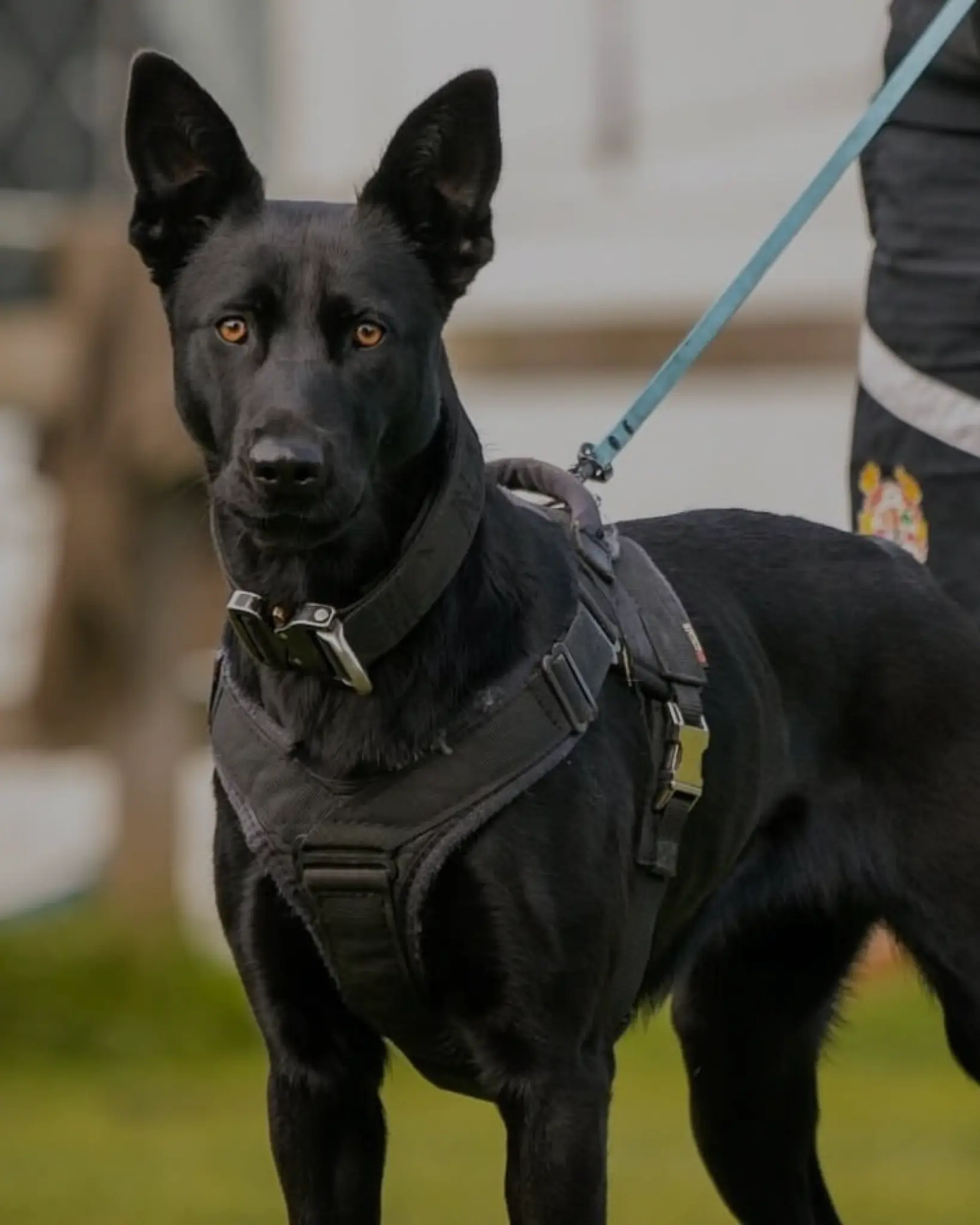
Your dog races after a toy, picks it up and then settles down at the far side of the garden. Or they return close enough to tempt you into reaching, then dart away. Chasing, carrying, returning and releasing are different parts of a retrieve.
Pet gundog retrieving training becomes easier when you work on the part that is missing. Throwing the toy farther usually makes that part harder, not clearer.
Find the missing piece
Watch what happens with a very short retrieve in a secure space. Does your Labrador or spaniel enjoy picking up but avoid coming close? Do they return but hold tightly? Or do they lose interest in the object after chasing it?
Each pattern calls for a different starting point. There is no need to expect a finished retrieve because your dog is a gundog breed. Individual interest and experience matter, and some dogs prefer other activities.
Make being close with a toy comfortable
Start with a safe, appropriately sized toy your dog enjoys. Encourage a close return and reward your dog for bringing it to you. Keep carrying, returning and releasing as clear parts of the exercise, rather than grabbing the toy as soon as your dog approaches.
Avoid chasing a dog who runs away with the object. That can create a different game. If your dog stiffens, growls or guards items, do not practise taking them away; arrange individual help and manage access to unsuitable objects.
Teach an exchange away from the retrieve
Teach a clear release cue using a safe exchange with a low-value item. Once your dog understands it, gradually move from showing the reward first to giving the cue and rewarding the release. Where appropriate, returning the toy can also reward cooperation. Keep the sequence consistent rather than repeatedly bargaining over the object.
Keep hands away from the mouth and avoid pulling objects out. For more detail, read the guide to teaching an out cue and using tug as a reward.
Reconnect the steps at a short distance
Place or gently toss the toy a short distance in the enclosed space. Encourage your dog back, reward the approach and use the exchange you have practised. Finish after a few comfortable repetitions, while both of you are still enjoying it.
Increase distance only when the close version works. Use suitable ground, avoid repeated high jumps and choose toys that cannot easily be swallowed. A training dummy is for supervised work, not an unattended chew.
These games can provide shared activity for pet dogs without needing shooting or field competition. They do not replace specialist preparation if your aim is to work a dog in the field.