
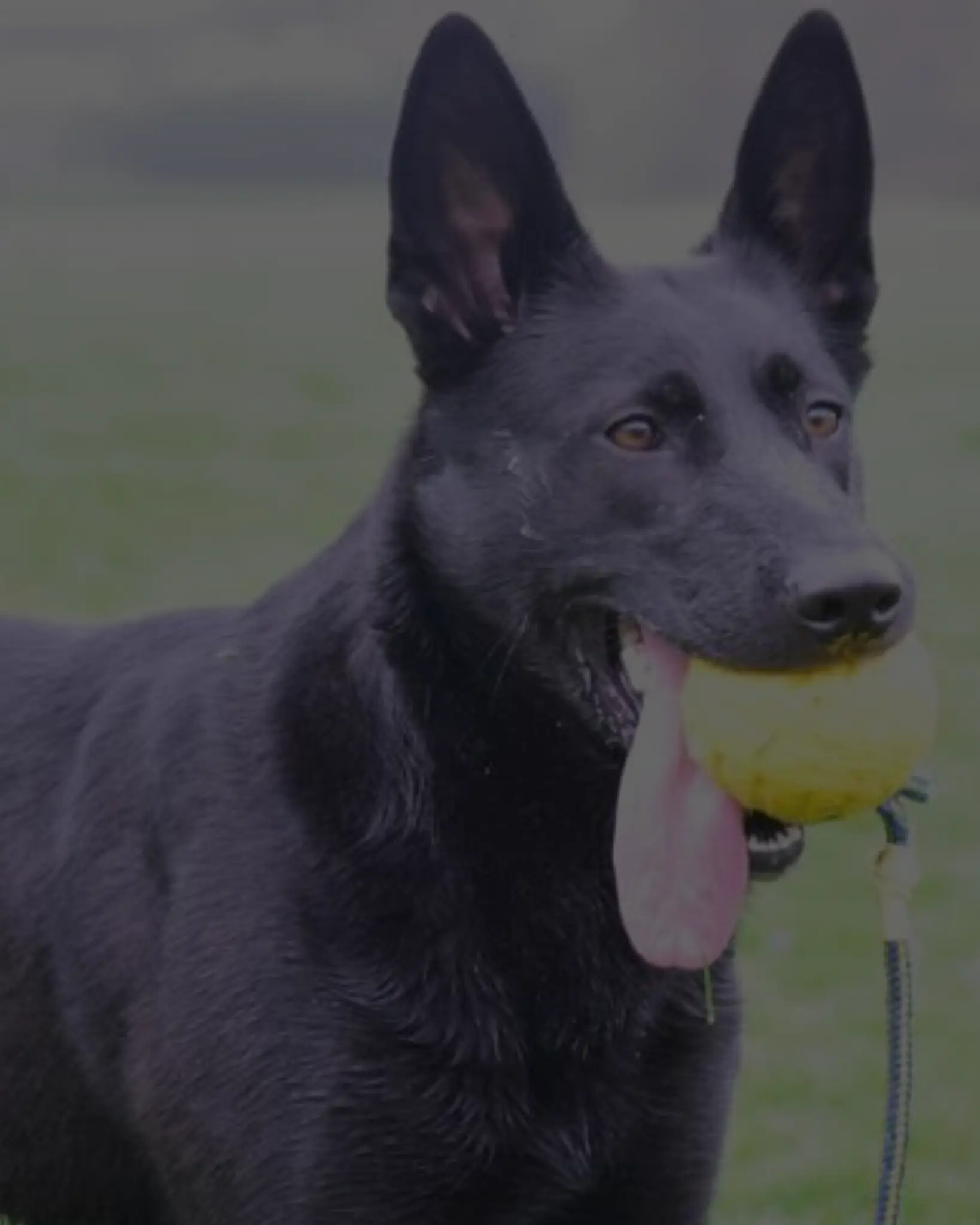
You have walked your Belgian Malinois, practised some training and played together. Back indoors, they are still following you, carrying a toy or looking for the next thing to do. It is tempting to add another game, but the missing skill may be the transition out of activity.
When a Belgian Malinois won’t settle, look at the whole pattern: what happened beforehand, what happens when you sit down, and whether your dog has somewhere they can rest without interruption.
Give activity a clear ending
Choose a clear finish cue and use it consistently at the end of a manageable session. Put the toy away and follow your agreed routine. Once play has finished, do not repeatedly restart it because your dog demands another game. Make the boundary predictable and give them a suitable opportunity to rest.
The aim is not to leave your dog frustrated without support. Start by ending while they can still cope, rather than waiting until the game has become frantic. A little quiet sniffing or a drink followed by an undisturbed rest opportunity may be easier than moving directly from fast play to a busy kitchen.
Teach settling when your dog is already fairly calm
Choose a comfortable resting place away from household traffic. Begin when your dog is likely to relax, not immediately after their most exciting activity. Quietly reward a pause or relaxed position on the mat, placing the reward so they do not need to spring up to collect it.
Build a few comfortable seconds on the mat before asking for longer periods, and use a clear release cue to mark the end. If your dog gets up early, calmly reset the exercise and check whether the duration or distractions are too difficult. Consistent expectations work best when the dog understands the task.
Watch the quality of rest
A dog lying down while staring at your hands for the next command may be participating in training without resting. Notice whether they can soften their posture, look away and stop monitoring every movement.
For a few days, record when they genuinely rest and when they repeatedly get up. Include household noise, visitors and play. This can reveal a practical change, such as moving the bed away from a window or finishing activity before the house becomes busy.
Check whether the routine needs adjusting
Rest should sit alongside suitable exercise, opportunities to sniff and manageable training. It is not a replacement for meeting those needs. Equally, adding more intense activity every time your dog becomes restless can leave little opportunity to practise switching off.
If restlessness is new, your dog seems uncomfortable or their sleep changes markedly, speak to your vet. Distress when left alone needs its own assessment rather than simply more mat training. See my broader guide to helping an active dog settle at home.